Please select which cookies you are willing to store.
Necessary Cookies (required) Always enabled
These cookies are required for technical reasons so that you can visit our website and use the functions we offer. These cookies are used to recognise you between successive visits and thus provide you with a better experience, storing your consent preferences and the last Greenpeace.org website visited.
We use tracking and analysis tools to ensure continuous optimisation and demand-oriented design of our website. These cookies will allow us to collect statistical and anonymised data, such as how visitors use our website or which pages are accessed most frequently, to ultimately improve Greenpeace.org and provide you with a better experience of our website.
In addition to the Performance cookies mentioned above, we may also place in your browser cookies from third-party services (e.g. Facebook or Google) to track the effectiveness of our online marketing strategies and to deliver adverts more relevant to you and your interests. These cookies may also be used to serve advertising to you after you have left our site (retargeting cookies).
This World Environment Day we face the reality that more than 9 out of 10 peopleglobally are breathing unsafe air.
Air pollution is a global health and environmental crisis affecting everyone one of us – every living species which breathes air. So, is it really a day to celebrate? Make June 5 the day you demand your right to breathe clean, healthy air. Demand access to clean energy and a greener environment to live in.
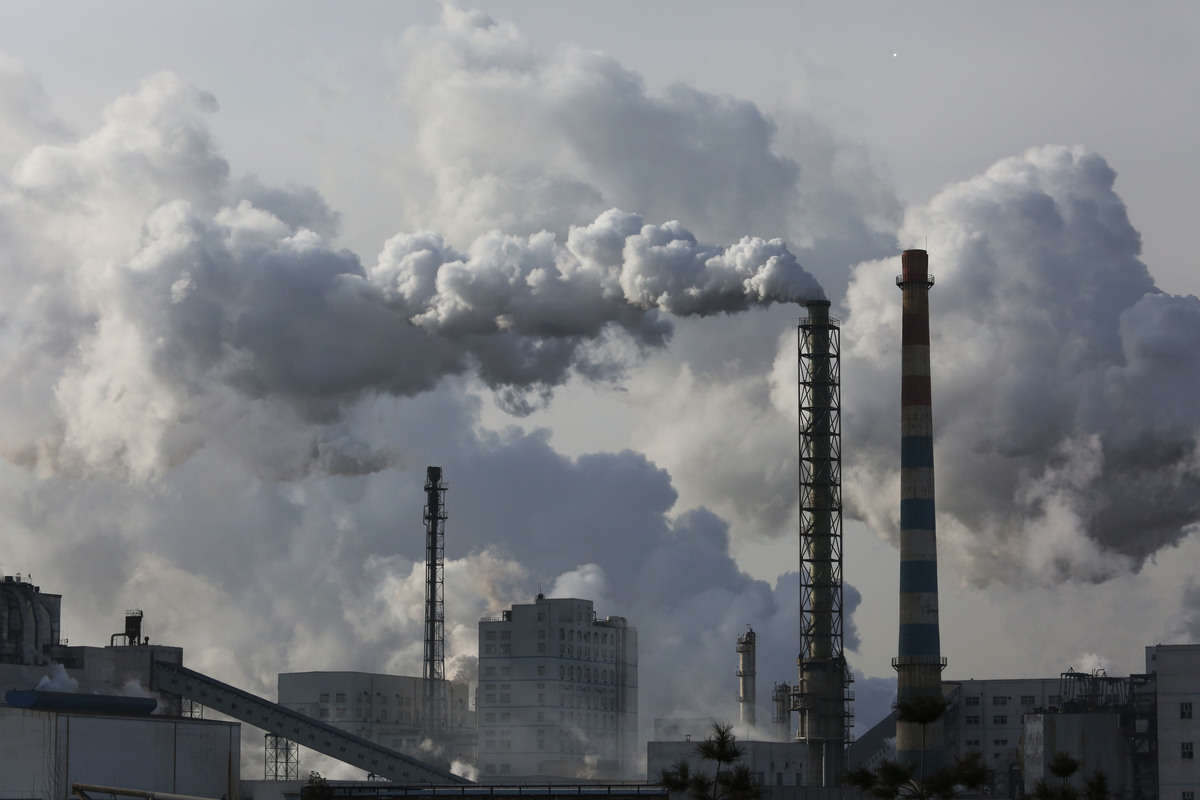
We frequently cannot see the pollution in the air, but its impact on people’s health is visible and cannot be ignored any longer. If the pollution in the air was visible, the world wouldn’t be as pretty. Scroll down to experience the journey of coal energy from a thousand feet below the Earth’s surface to lighting up our homes, but choking our lives.
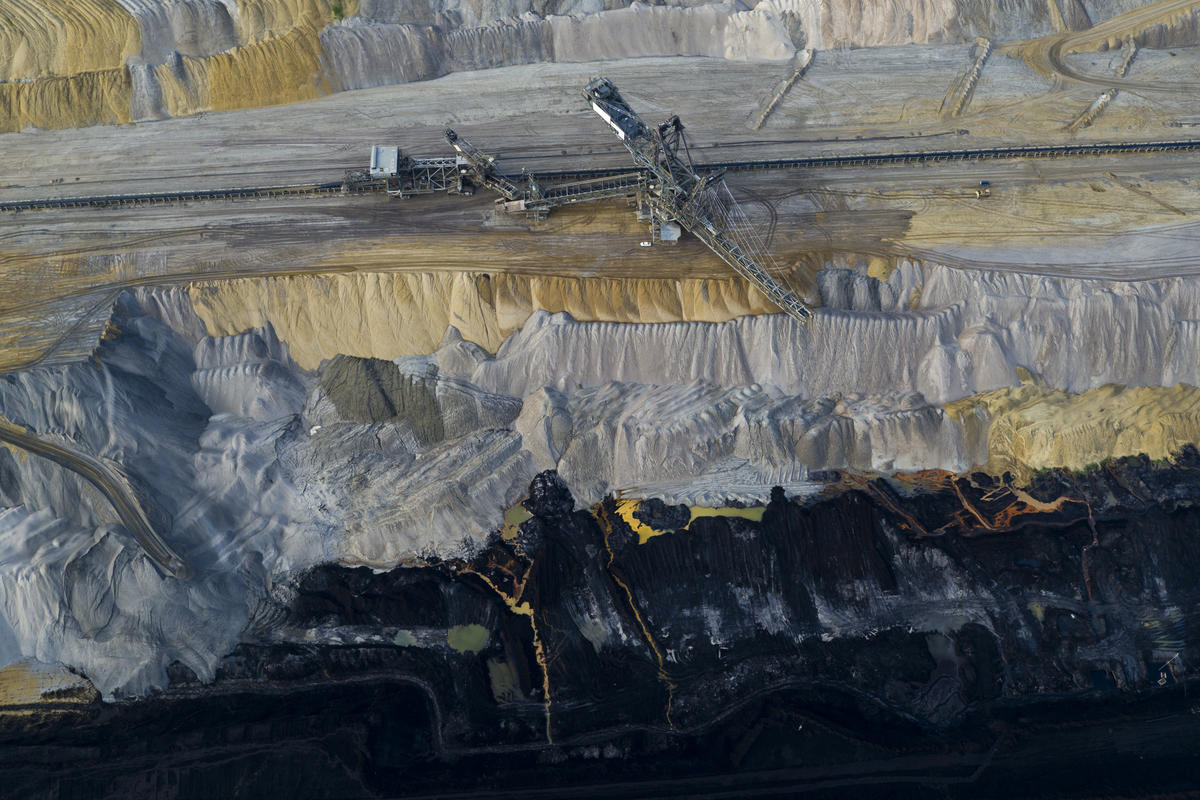
Aerial view of the open-pit coal mine near the Hambach Forest where volunteers and activists are peacefully protesting in tree houses against RWE´s planned clearing of the ancient forest.
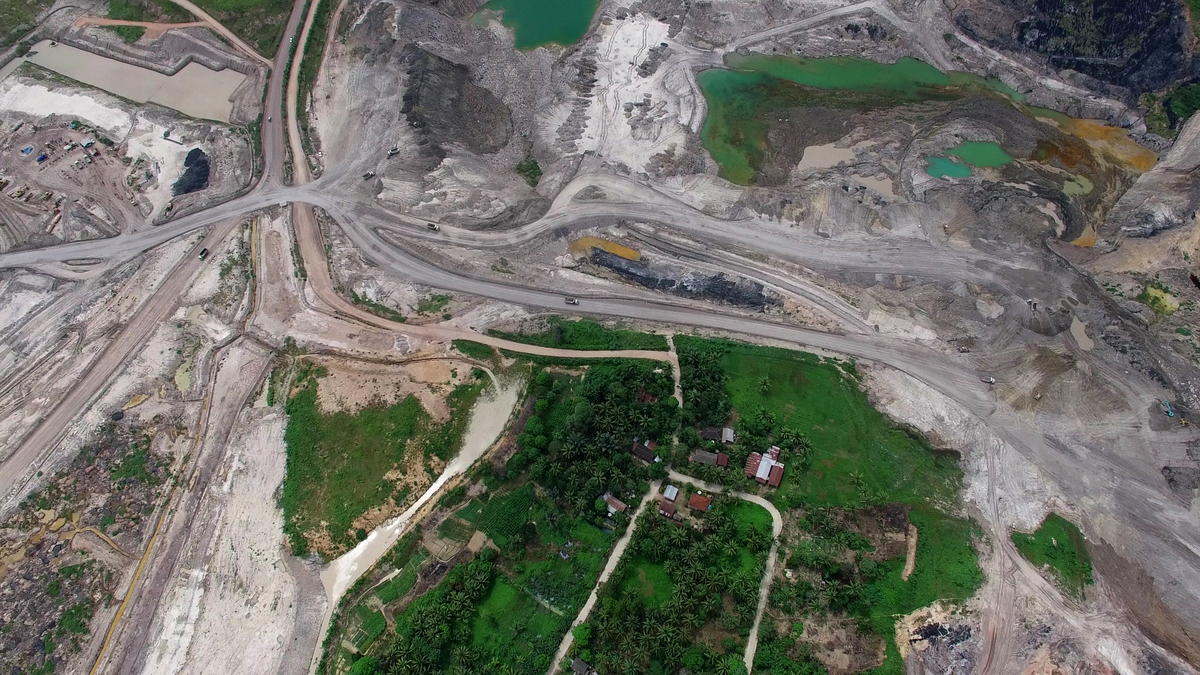
An image taken from a drone shows Kerta Buana village surrounded by a coal mine owned by Banpu Public Company Ltd group in Kutai Kartanegara, East Kalimantan. Greenpeace released an investigative report that shows how coal mining activities in East Kalimantan are destroying landscapes and polluting the water in the surrounding areas.
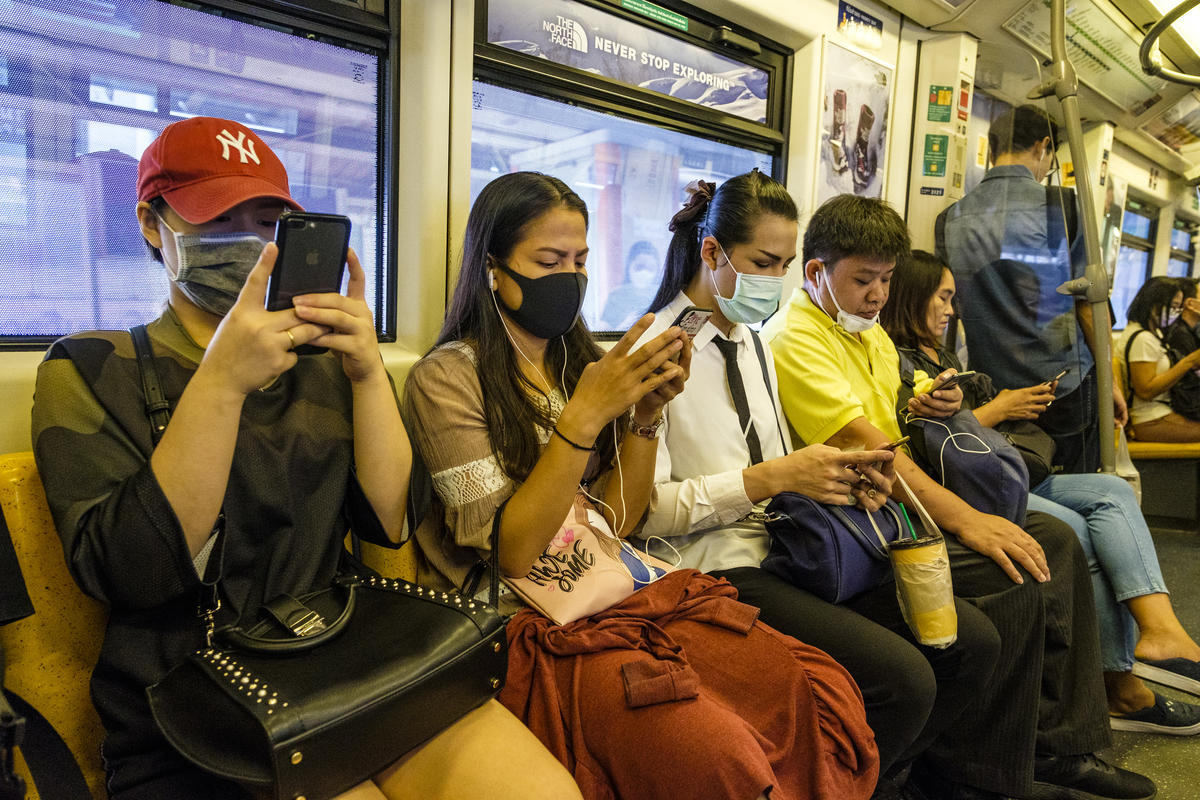
For the past few months, Bangkok has been experiencing a smog crisis with very unhealthy pollution levels reaching a ‘code red’ in some days. Vehicles emissions, industrial fumes along with agricultural open burning in the region mixed with a high-pressure air system facilitated the build-up of fine particles smog. From January 29th 2019, the Thai authorities have issued an unprecedented order to shut 437 schools in Bangkok due to the dangerous level of fine particles (including PM2.5) in the air.
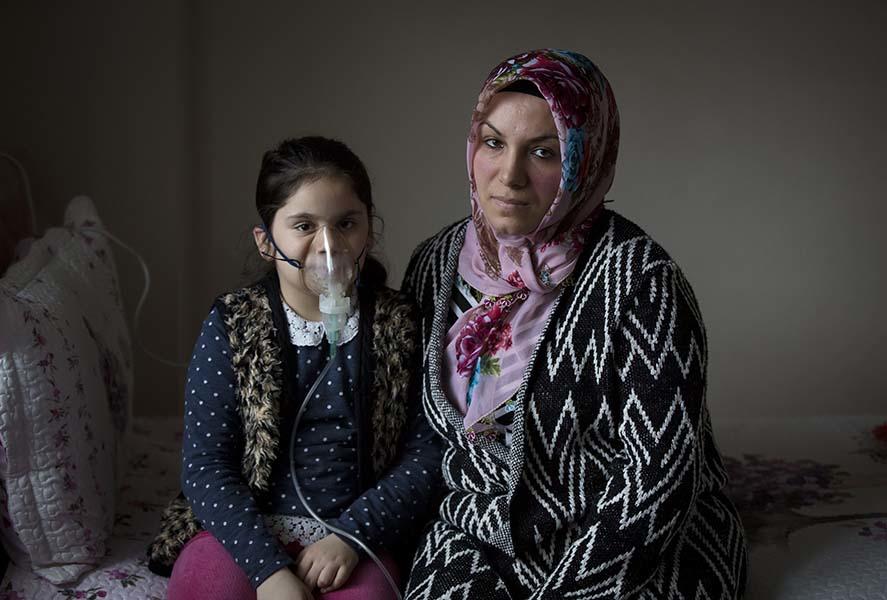
Selma Kılıç is one of the dozens mothers struggling to raise her daughter who is a asthma patient and cannot breathe outside due to the dirty air. She gets shuttled between home and hospital, avoiding exposure to the outdoor polluted air. The school and the hospital are next to the coal stockpile areas; the vicinity causes breathing problems to the people in Kocaeli.
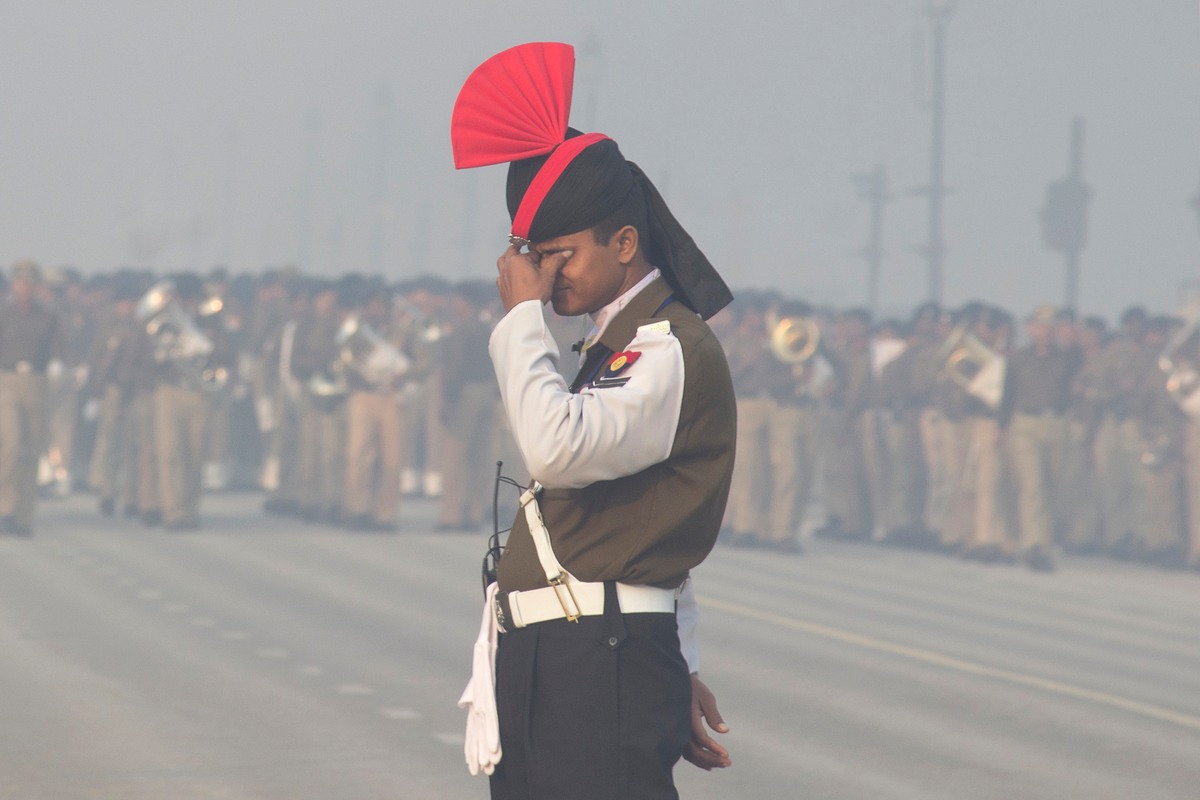
A Guard Of Honor at the Republic Day parade rehearsals in Rajpath, New Delhi. The National Air Quality Index can be a powerful tool if implemented correctly. Accurate information about the quality of air we are breathing is a crucial first step in the public campaign for clean air.
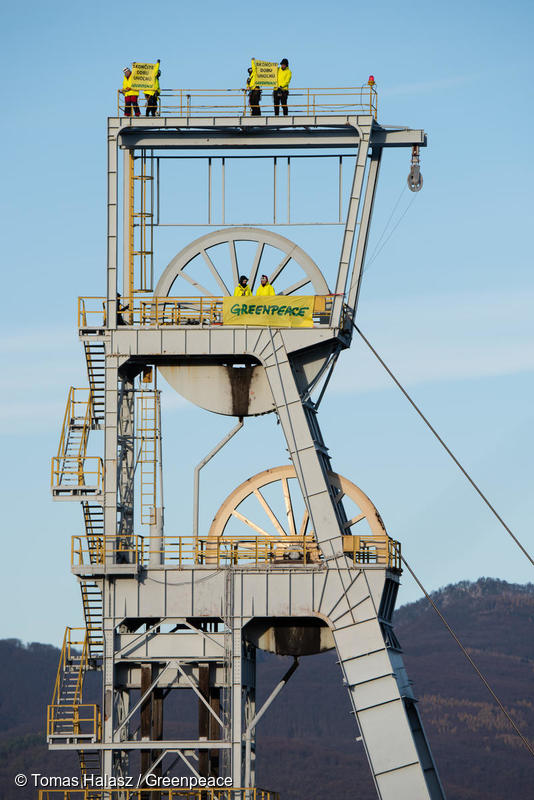
Greenpeace activists have climbed the mining tower of Slovak coal company HNB in Nováky, Slovakia. They protest against the continued mining and burning of coal in Slovakia.
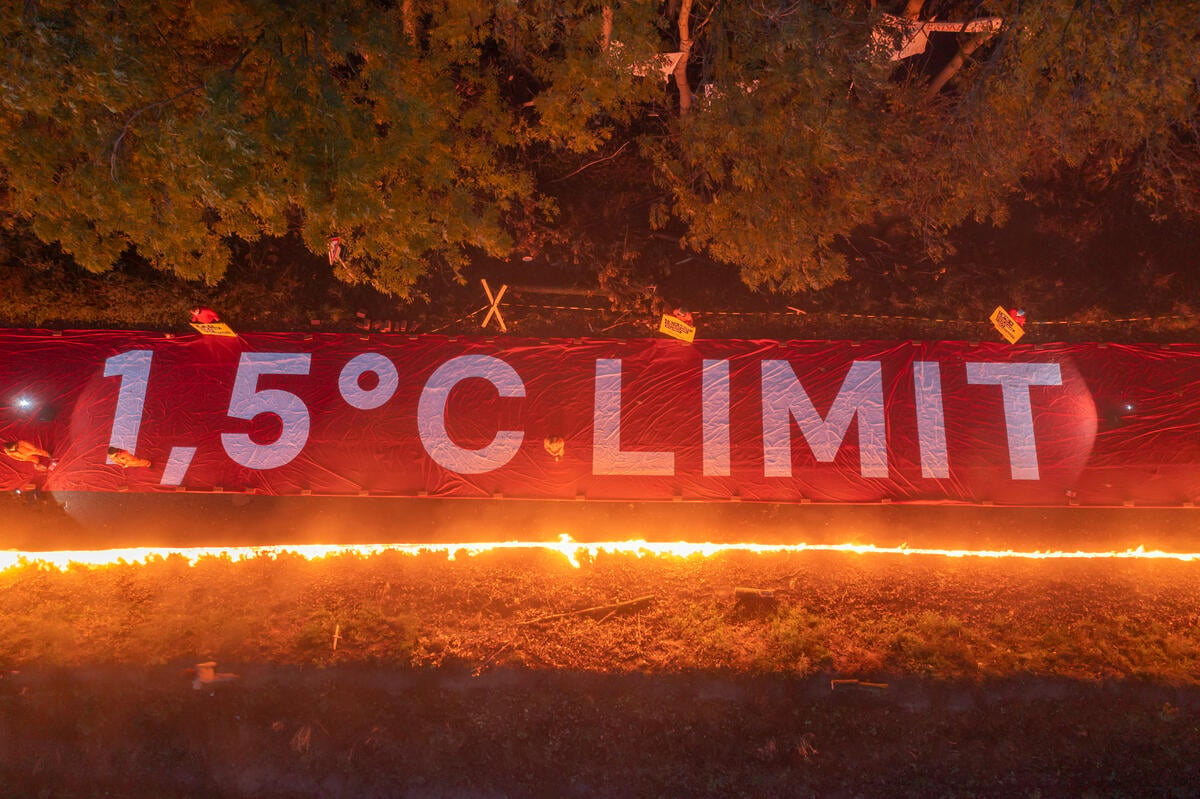
Concerted and extensive action to transition away from fossil fuels and end forest destruction must become the driving force of government policy in response to the United Nations Environmental Programme (UNEP’s) warning that the global temperature rise will exceed 1.5°C, likely within the next few years.
The UNEP’s new report ‘Limiting Overshoot’ outlines a pathway called “overshoot, peak and decline” to minimise and adapt to the impacts of an exceedance and an eventual return to 1.5°C.
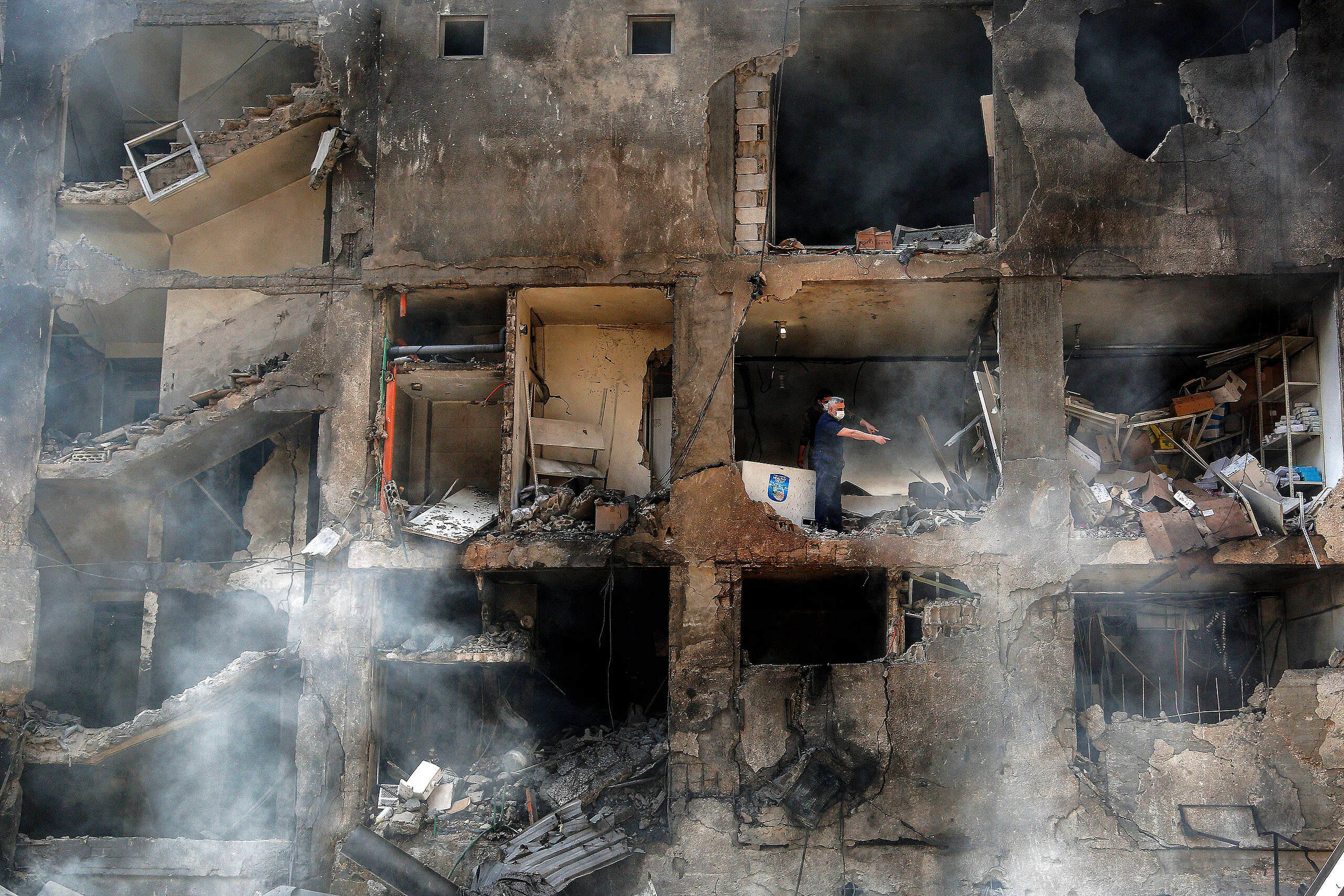
Six months into the US-Israeli war on Iran, people are paying the price in lives, environmental damage and higher bills. The crisis shows how dependence on fossil fuels leaves people exposed to volatile prices and future shocks.